
Email:
[email protected]


Luxor is one of those places where history isn't hidden behind museum glass. It's everywhere, from enormous temple columns rising above the city to ancient tombs carved into the mountains on the opposite bank of the Nile. Once the heart of ancient Thebes, Luxor offers an extraordinary combination of archaeological wonders, local traditions, and unforgettable landscapes that make it one of Egypt's most rewarding destinations.
While temples and royal tombs are often the main reason travelers visit, the best things to do in luxor go far beyond exploring ancient monuments. You can float above the Nile in a hot-air balloon, sail past palm-lined riverbanks, wander through lively markets, and discover archaeological sites that receive far fewer visitors than the city's famous landmarks.
Whether you're visiting for a single day or planning a longer stay, this guide brings together 15 memorable experiences, practical travel advice, and luxor sightseeing highlights to help you discover the many sides of this remarkable city.
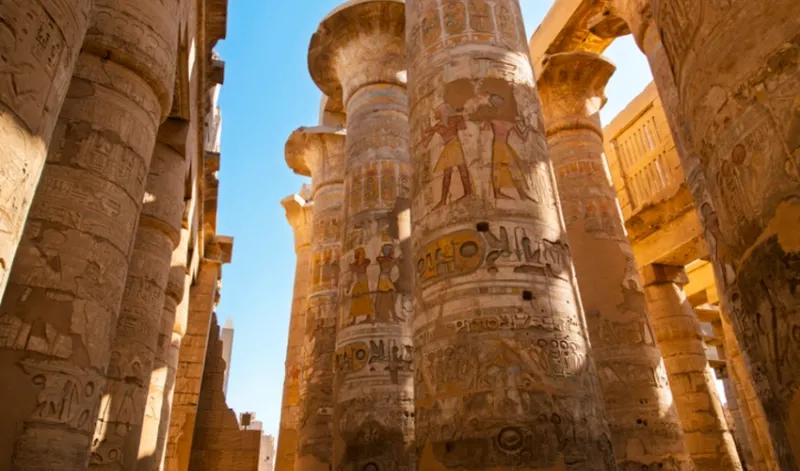
Luxor's most celebrated experiences are closely connected to its ancient history. The city's monumental temples and royal burial grounds offer a remarkable introduction to the civilization that flourished along the Nile thousands of years ago, and each site reveals a different aspect of Egyptian religious beliefs, architecture, and royal traditions.
Karnak Temple is one of the most extraordinary archaeological complexes in Egypt, and walking through its Great Hypostyle Hall is an experience that stays with visitors long after they leave. The hall contains 134 enormous sandstone columns arranged in sixteen rows, many decorated with detailed carvings depicting gods, pharaohs, and religious ceremonies. Standing between these towering structures gives you an appreciation of the architectural ambition and craftsmanship of ancient Egyptian builders.
The complex developed over many centuries, with successive rulers adding temples, courtyards, obelisks, and monumental gateways. Although the sanctuary of Amun-Ra forms its religious center, Karnak also includes structures dedicated to other deities. Beyond the famous columns, visitors can explore the Sacred Lake, admire surviving obelisks, and examine inscriptions that record important events from ancient Egyptian history.
Karnak is particularly rewarding for travelers who enjoy exploring at their own pace. Rather than focusing only on its largest monuments, take time to notice the smaller chapels, decorative details, and changing perspectives between the massive stone structures.
Discover Luxor Temple and Its Monumental Statues
Luxor Temple stands in the heart of the modern city, creating a fascinating contrast between ancient Egyptian architecture and everyday urban life. Unlike many other temples, which were primarily dedicated to specific gods, Luxor Temple played an important role in ceremonies associated with divine kingship and the renewal of royal authority.
The temple was significantly developed during the reigns of Amenhotep III and Ramesses II. Its monumental entrance features enormous seated statues of Ramesses II, while the interior contains elegant colonnades, courtyards, and religious reliefs. Visitors can also appreciate the historical Avenue of Sphinxes, which once connected Luxor Temple with the Karnak complex during major religious processions.
One of the most memorable ways to experience the temple is in the evening, when artificial lighting highlights the stone columns and statues. The illuminated architecture creates an atmosphere quite different from a daytime visit, making Luxor Temple one of the city's most visually impressive landmarks.
The valley became internationally famous following Howard Carter's discovery of Tutankhamun's tomb in 1922. Although the young king's burial chamber is relatively modest compared with some others, its discovery provided an extraordinary collection of funerary objects and valuable information about ancient Egyptian royal traditions.
Other tombs are celebrated for their artistic decoration. The tomb of Ramesses VI features magnificent astronomical imagery, while Seti I's tomb is renowned for its detailed reliefs and extensive underground passages. Since access arrangements vary and some tombs require separate admission, checking which chambers are open before visiting is worthwhile.
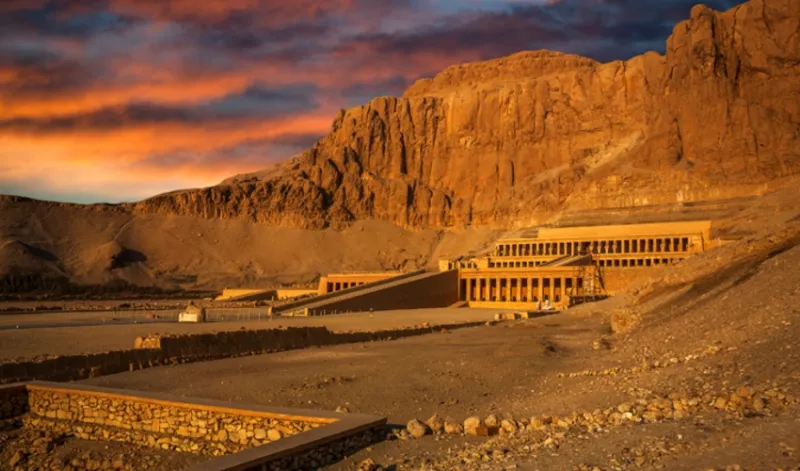
The Mortuary Temple of Hatshepsut is one of Egypt's most distinctive ancient monuments. Built against the towering limestone cliffs of Deir el-Bahari, the temple features three monumental terraces connected by ramps, creating an architectural design that appears remarkably integrated with the surrounding mountains.
Hatshepsut was one of ancient Egypt's most influential female pharaohs, and her temple reflects the importance of her reign. Its reliefs depict religious ceremonies, royal achievements, and an expedition to the Land of Punt, offering valuable insights into Egypt's international connections during the New Kingdom.
Walking across the terraces allows visitors to appreciate the symmetry of the structure and its dramatic setting. The temple also provides excellent opportunities for photography, particularly when the surrounding cliffs form a striking natural backdrop to the ancient colonnades.
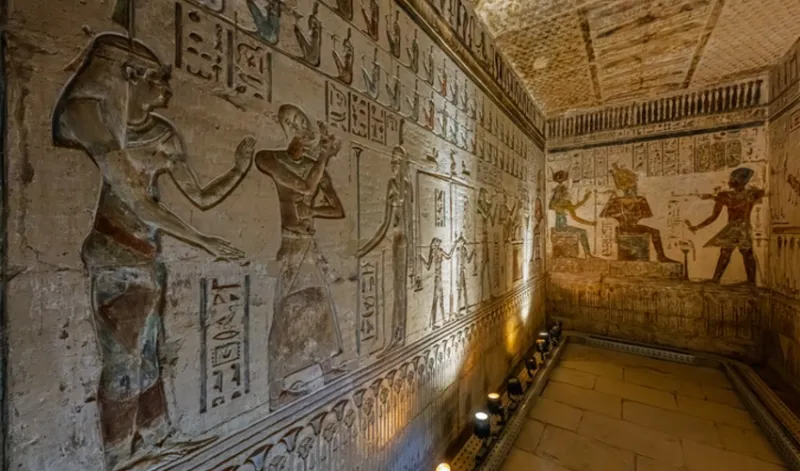
Beyond the most famous monuments, Luxor contains remarkable archaeological sites that reveal different aspects of ancient Egyptian life. These quieter destinations are particularly rewarding for visitors interested in discovering the stories of craftsmen, royal families, and religious traditions beyond the best-known pharaohs.
Many reliefs depict military campaigns, religious ceremonies, and royal achievements. Some sections retain traces of their original colors, offering a glimpse of how richly decorated ancient Egyptian temples once appeared. The scale of the carved scenes is particularly striking, with figures and inscriptions covering enormous sections of the temple walls.
Medinet Habu often feels quieter than Karnak or the Valley of the Kings, allowing visitors to examine the architecture without rushing. For anyone searching for unique things to do in luxor, this temple offers an excellent combination of historical importance, artistic beauty, and a more relaxed archaeological experience.
The village was home to craftsmen, painters, stonecutters, and their families during the New Kingdom. Archaeological discoveries, including houses, personal documents, and decorated tombs, have provided unusually detailed information about their work, family relationships, and everyday concerns.
Visitors can explore the remains of the settlement and appreciate the craftsmanship preserved in nearby tombs. The site is especially valuable because it brings ordinary ancient Egyptians into focus, showing that the extraordinary monuments of Luxor were created by real communities with their own traditions and personal stories.
Its most celebrated burial is the tomb of Queen Nefertari, the principal wife of Ramesses II. The tomb is famous for its beautifully painted walls, which depict the queen alongside Egyptian deities and illustrate religious beliefs surrounding the afterlife.
Access to Nefertari's tomb can be restricted because of conservation requirements, so visitors should verify its current status rather than assuming entry is available. Other accessible tombs can still provide valuable insights into royal burial traditions and the artistic achievements of New Kingdom Egypt.
Although ancient monuments dominate most itineraries, Luxor also offers memorable experiences connected to its river, landscape, and living culture. Exploring these activities adds variety to a visit and reveals how the city continues to thrive beyond its archaeological heritage.
Watch Luxor from a Hot-Air Balloon
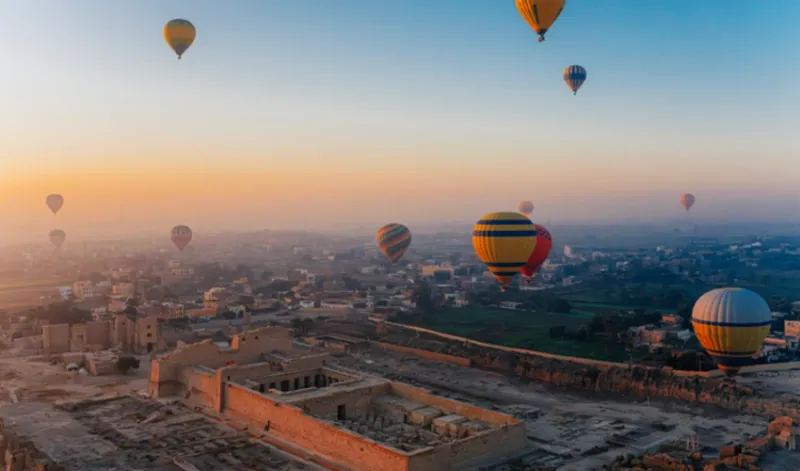
A hot-air balloon ride offers one of the most extraordinary perspectives on Luxor's landscape. As the balloon rises above the West Bank, the contrast between the Nile's green agricultural fields and the surrounding desert becomes especially clear.
From above, travelers may see traditional villages, cultivated land, and the outlines of ancient monuments spread across the landscape. The experience reveals how closely Luxor's archaeological sites are connected to the geography of the Nile Valley.
Balloon flights are generally arranged around sunrise, when conditions are often more suitable for flying. However, operations depend on weather and aviation safety requirements, and departures may be delayed or canceled when conditions are unsuitable.
For visitors interested in photography or unusual perspectives, this experience offers a memorable way to appreciate the city's remarkable setting.
As the boat moves across the water, visitors can admire palm-lined riverbanks, agricultural fields, and the changing scenery between the East and West Banks. The journey provides a welcome contrast to exploring large archaeological complexes on foot.
A felucca ride is particularly enjoyable toward the end of the day, when the river reflects the changing light and the surrounding landscape becomes quieter. It is also an opportunity to appreciate the importance of the Nile in everyday Egyptian life, from transportation to agriculture and local traditions.
Wander Through Luxor's Traditional Markets
Luxor's markets offer an entirely different experience from its archaeological attractions. Narrow streets lined with shops display spices, textiles, handcrafted souvenirs, traditional clothing, and decorative objects inspired by Egyptian history.
Walking through the market allows visitors to experience the lively atmosphere of everyday commerce. Shopkeepers arrange colorful displays, local residents move between stores, and the sounds of conversation create an energetic environment that contrasts with the quiet atmosphere of ancient temples.
The markets are also a good place to discover locally made products and observe traditional craftsmanship. Taking time to explore beyond the busiest souvenir stalls can reveal smaller shops and more personal interactions.
For travelers wondering about things to do in luxor beyond temples, the city's markets provide an enjoyable introduction to contemporary Egyptian culture.
Visit Karnak Temple, Luxor Temple, the Valley of the Kings, and Hatshepsut Temple. Hot-air balloon rides and Nile felucca trips are also popular.
Two to three days are ideal for exploring the main archaeological sites and enjoying cultural experiences without rushing.
Enjoy a hot-air balloon ride, sail on the Nile, explore local markets, visit museums, and discover traditional Egyptian cafés.
Yes. Luxor Temple, the Nile Corniche, and riverside restaurants offer enjoyable evening experiences.
Yes. Many attractions can be visited independently using taxis, local ferries, and arranged transportation.


