
Email:
[email protected]


Some cities are best explored through their streets, while others reveal their stories through monuments that have stood for thousands of years. Luxor belongs to the second category. Built around the ancient Egyptian city of Thebes, it offers an extraordinary collection of temples, royal tombs, and archaeological treasures along both banks of the Nile.
What makes luxor attractions especially fascinating is how closely they connect visitors with the lives, beliefs, and achievements of ancient Egyptians. You can walk between enormous columns at Karnak, enter richly decorated royal tombs, and watch traditional boats sail along the Nile, all within the same destination.
This luxor travel guide explores the city's most remarkable landmarks, explains the differences between its East and West Banks, and highlights experiences that reveal Luxor beyond its famous monuments.
Showing 1 results
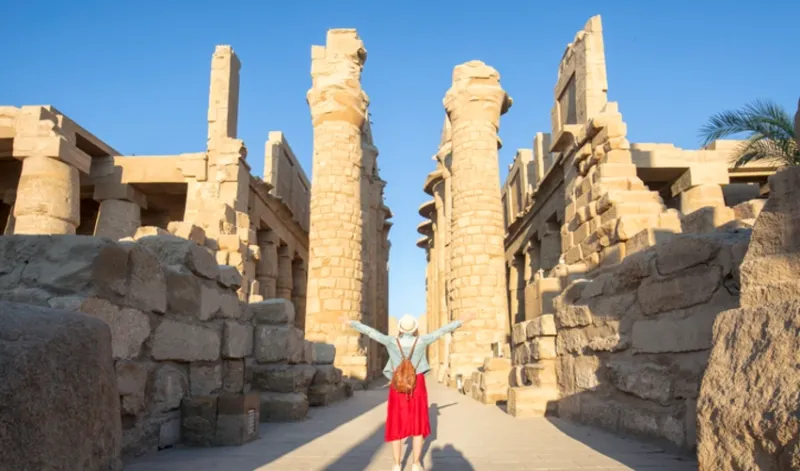
Explore amazing things to do in Luxor, including Karnak Temple, hot-air balloons, hidden gems, and memorable Luxor sightseeing experiences.
The best time is between October and April. The weather is cool and pleasant for visiting temples in Luxor and Aswan. Summer (June to August) can be very hot, with temperatures exceeding 40°C.
The drive takes approximately 2.5 to 3 hours each way via the Desert Road, covering about 220 km (136 miles).
We usually stop at a local restaurant overlooking the Mediterranean. You can enjoy fresh seafood, but please check your booking 'Inclusions' to see if lunch is prepaid or optional.
Yes, we visit the outer plaza and can arrange for an internal tour during opening hours (closed on Fridays and Saturdays in some sections). Your guide will provide all the historical context.
“Our 5-day Luxor to Aswan Nile cruise on the Movenpick Royal Lotus was absolutely magical. The ship was elegant, the food excellent, and our Egyptologist guide made every temple visit come alive. The sunset views from the deck were breathtaking. Highly recommended for anyone wanting a luxury Egypt experience!”

“I traveled solo and felt completely safe and pampered. The Acamar Nile Cruise was beautiful and comfortable. The temples were even more impressive than I imagined, especially Karnak at sunrise. The crew was attentive and the food was delicious. This Nile cruise tour exceeded all my expectations.”

“We celebrated our 30th anniversary on the Le Fayan Nile Cruise and it was perfect. The ship felt like a floating boutique hotel. The Valley of the Kings at sunrise was emotional and unforgettable. Excellent service and wonderful memories created. We can't wait to return!”

“Abu Simbel is one of the best monuments I've ever seen in my life. The scale and beauty are unbelievable. Our guide was fantastic. This is a must-do on any Egypt itinerary.”

“Aswan was our favorite part — so peaceful and romantic. The Philae Temple at sunset and the Nubian Villages were magical. The Nile cruise from Luxor to Aswan was the perfect combination.”

“We celebrated New Year on a Nile cruise and it was spectacular! The gala dinner, fireworks over the Nile, and the ancient temples made it truly special. Best New Year’s Eve of our lives.”
