
Email:
[email protected]


Cairo is famous for its pyramids, bustling markets, and ancient monuments, but there's another side of the city that deserves just as much attention. Tucked away in Old Cairo, coptic cairo offers a fascinating journey through Egypt's Christian heritage, with historic churches, peaceful courtyards, and architectural treasures that have survived for centuries. Walking through its narrow lanes feels remarkably different from exploring the capital's busy streets.
Among its most memorable landmarks is the hanging church old cairo is known for, a remarkable building constructed above the remains of an ancient Roman fortress. Yet this historic neighborhood has much more to offer, from the underground traditions associated with Abu Serga Church to the impressive collections of the Coptic Museum. Whether you're passionate about history, architecture, or cultural experiences, this corner of Cairo reveals an important chapter of Egypt's extraordinary past.
Few neighborhoods in Egypt bring together so many layers of history within such a compact area. Ancient Roman structures, centuries-old churches, and important religious landmarks stand close together, creating a destination where visitors can explore different periods of Cairo's development on foot.
Coptic cairo is situated in the southern part of Old Cairo, within the historic district of Masr El Qadima. The neighborhood is relatively easy to reach from central Cairo, and the nearby Mar Girgis Metro Station provides convenient access to its main attractions. Once you arrive, most of the famous churches and museums are within walking distance, making the area particularly enjoyable to explore without relying on transportation between every stop.
Unlike Cairo's larger archaeological sites, this neighborhood invites visitors to slow down. Its pedestrian lanes, stone walls, and historic entrances create an intimate atmosphere where architectural details are often just a few steps away. Many travelers combine the area with other nearby attractions, including the Mosque of Amr ibn al-As and the historic streets of Old Cairo.
Christianity has been part of Egypt's history since the early centuries of the religion, and the Coptic Orthodox Church remains one of the country's most important religious institutions. According to Christian tradition, Saint Mark introduced Christianity to Alexandria during the first century AD, helping establish a community that developed its own distinctive traditions, art, and religious practices.
Over the centuries, Egyptian Christians built churches, monasteries, and religious schools that became important centers of worship and learning. Many of the surviving churches in Old Cairo reflect different stages of this history, with architectural features influenced by Egyptian, Roman, Byzantine, and later Islamic artistic traditions.
Today, the neighborhood continues to serve as a place of worship while welcoming visitors interested in understanding Egypt's diverse cultural heritage.
Long before the neighborhood became famous for its churches, the Romans established a fortified settlement in this part of Egypt. The remains of babylon fortress are among the area's most significant historical features, revealing the strategic importance of the location during the Roman period.
The fortress stood near important transport routes and helped protect access to the Nile and surrounding settlements. Parts of its massive towers and defensive walls remain visible today, although later buildings were constructed around and above the Roman structures.
One of the most interesting aspects of the fortress is its relationship with the surrounding churches. Several religious buildings were established within or near its former boundaries, creating the unusual architectural setting visitors encounter today. Understanding this Roman foundation makes exploring the neighborhood even more rewarding.
The historic district is home to several remarkable churches, each with its own architecture, traditions, and stories. Although they are located close together, their interiors and historical significance make every visit feel different.
The Hanging Church, officially known as the Church of the Virgin Mary, is one of the most recognizable landmarks in coptic cairo. Its popular name comes from its elevated position above the southern gatehouse of the Roman fortress, giving the building the appearance of being suspended above the ancient structure.
Visitors reach the church by climbing a staircase that leads to an attractive courtyard and entrance. Inside, the atmosphere changes immediately. Wooden ceilings, decorative screens, marble columns, and religious icons create an interior that reflects centuries of Coptic artistic traditions.
The church has undergone several renovations throughout its history, but it remains an important place of worship and a remarkable example of historic Egyptian Christian architecture. Taking time to admire its intricate woodwork and iconography is one of the highlights of exploring Old Cairo.
Another important landmark is abu serga, officially known as the Church of Saints Sergius and Bacchus. The church is particularly famous for its association with the traditional account of the Holy Family's journey through Egypt.
According to local Christian tradition, the Holy Family took refuge in a location beneath the church during their stay in Egypt. A crypt associated with this tradition remains one of its most distinctive features, although access may vary depending on conditions and church arrangements.
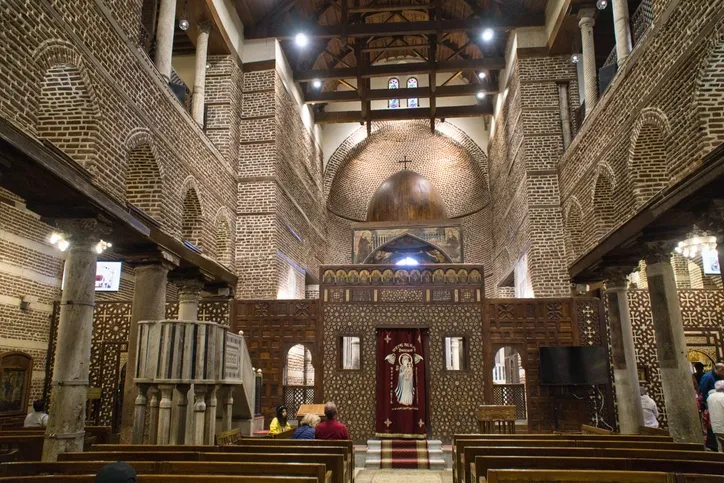
Beyond its religious importance, Abu Serga offers visitors an opportunity to appreciate traditional Coptic church architecture. Its interior includes columns, wooden screens, religious icons, and architectural details that reflect the long history of Christian worship in Egypt. The church's relatively modest exterior makes its interior especially memorable, as visitors discover a space filled with artistic and historical significance.
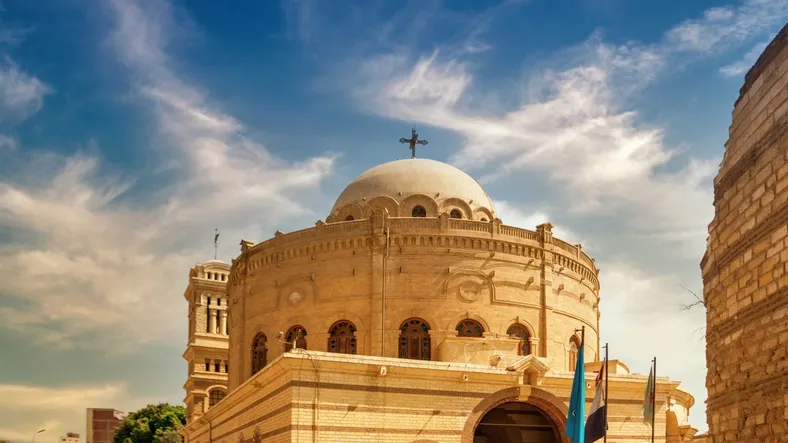
The Church of Saint George is another recognizable landmark in Old Cairo, particularly because of its distinctive circular architectural form. Located within the historic fortress area, it belongs to the Greek Orthodox Patriarchate of Alexandria and is dedicated to Saint George, one of Christianity's most widely venerated saints.
The present church largely reflects reconstruction carried out in the early 20th century after an earlier building was damaged by fire. Its domed structure, decorative interiors, and elevated position make it visually different from many of the surrounding churches. Visitors can appreciate the building's architecture while learning about the different Christian communities that have contributed to Cairo's religious history. Its location also makes it a convenient stop when exploring the nearby Hanging Church and Roman fortress remains.
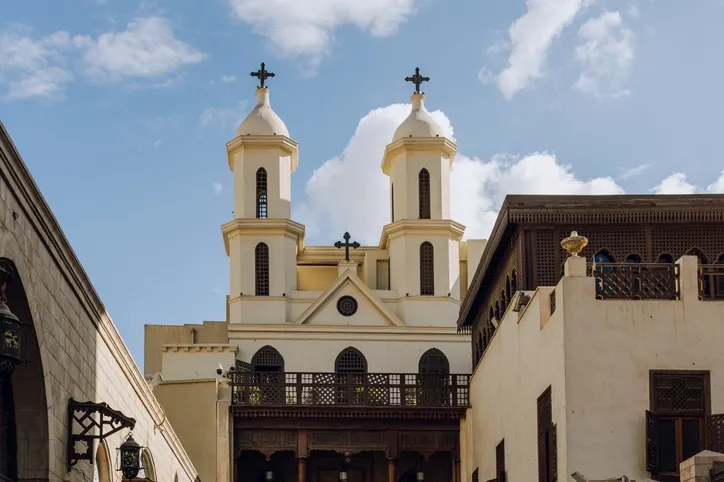
The Hanging Church is more than an architectural attraction. Its long religious history, unusual location, and preserved artistic features make it one of the most significant sites associated with Egypt's Coptic Christian heritage.
The architectural story behind the hanging church old cairo visitors admire today is closely connected to the remains of Babylon Fortress. The church was constructed above the southern gatehouse of the Roman fortification, using the ancient structure as part of its foundation.
This elevated position explains its familiar name and distinguishes it from many other historic churches in Egypt. Although the building has undergone repairs and alterations over time, its relationship with the fortress remains one of its most fascinating characteristics.
From the entrance area, visitors can appreciate how different periods of construction overlap. Roman engineering and later Christian architecture come together in a setting that reflects the continuous transformation of the neighborhood.
Inside the Hanging Church, visitors encounter a carefully arranged religious space decorated with woodwork, icons, and traditional architectural elements. The wooden ceiling is often compared to the shape of Noah's Ark, while the columns and decorative screens contribute to the building's distinctive appearance.
One of its most impressive features is the intricately carved wooden iconostasis, which separates the sanctuary from the main worship area. Religious icons depicting Christ, the Virgin Mary, and various saints add another layer of artistic and spiritual significance.
The combination of marble, timber, and decorative details makes the interior especially appealing to travelers interested in historic architecture. Rather than rushing through, visitors should take time to observe how the different materials and artistic traditions work together.
The Hanging Church has played an important role in the history of the Coptic Orthodox Church. It served as a significant ecclesiastical center during parts of the medieval period and is closely associated with the leadership and traditions of Egyptian Christianity.
For worshippers, the church remains a living religious site rather than simply a historical monument. Religious services and celebrations continue to connect the building with the community that has preserved it over generations.
Visitors are welcome to appreciate its history and architecture, but respectful behavior is essential. Quiet conversation, appropriate clothing, and attention to any photography restrictions help maintain the peaceful atmosphere of the church.
Exploring the area beyond its most famous church reveals even more of Old Cairo's layered history. Roman fortifications, early Christian traditions, and carefully preserved artifacts help explain why this neighborhood remains such an important cultural destination.
The surviving structures of babylon fortress offer a rare opportunity to see Roman architectural remains within the modern Egyptian capital. Portions of its defensive towers and walls are still visible, although the original complex has been transformed by centuries of construction.
The fortress was strategically positioned near the Nile and important routes connecting different parts of Egypt. Its defensive structures helped establish the area as a significant settlement long before the development of many of the churches visitors see today. Walking around the surviving remains provides a clearer understanding of how the neighborhood evolved. Rather than existing as separate historical attractions, the Roman structures and later religious buildings form part of the same continuous urban story.
The history of abu serga church is closely connected to the Christian traditions surrounding the Holy Family's journey through Egypt. The church is dedicated to Saints Sergius and Bacchus, two early Christian martyrs, and has long been an important place of worship. Its most famous feature is the crypt traditionally associated with the Holy Family's stay in the area. Although the historical details of this tradition cannot all be independently verified, the site holds deep religious importance for many visitors and worshippers.
Architecturally, the church reflects traditional Coptic design, with a basilica-style layout, columns, wooden screens, and religious artwork. Its interior offers a quieter experience than some of Cairo's larger monuments, allowing visitors to appreciate the details of its construction and decoration.
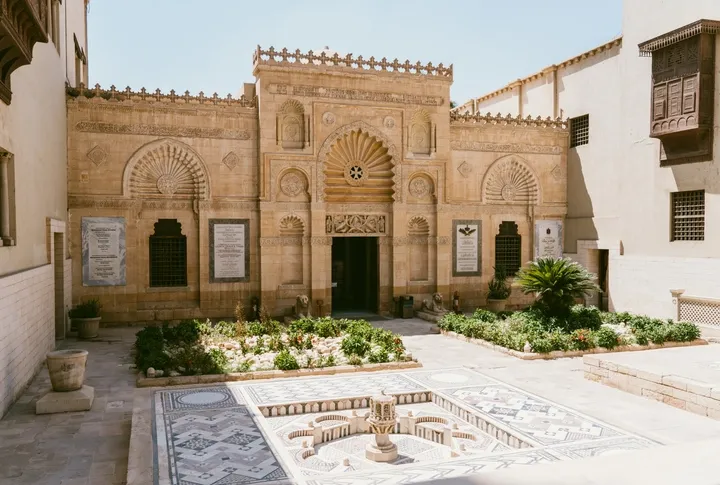
The Coptic Museum is one of the most valuable attractions in the district, especially for travelers who want to understand the artistic and cultural history behind the surrounding churches.
Established in the early 20th century, the museum houses an extensive collection of Coptic artifacts, including textiles, manuscripts, stone carvings, wooden objects, and religious artwork. These collections illustrate how Egyptian artistic traditions developed during the Christian period and interacted with earlier and later cultural influences.
The museum's displays help visitors connect the architecture of Old Cairo with the wider history of Egyptian Christianity. Decorative motifs, manuscript illustrations, and everyday objects reveal the creativity and craftsmanship of communities that lived in Egypt across many centuries. For anyone interested in history, the museum is an excellent complement to the neighborhood's churches.
One of the advantages of exploring this historic neighborhood is that several important attractions are concentrated within a relatively small area. With a little planning, visitors can enjoy its churches, museum, and Roman remains without feeling rushed.
Reaching coptic cairo is straightforward from many parts of the Egyptian capital. The Mar Girgis Metro Station, on Cairo Metro Line 1, is located close to the main historic attractions and provides a convenient option for travelers using public transportation.
Taxis and ride-hailing services are also available, although traffic conditions may affect journey times. Once you arrive, walking is generally the easiest way to explore the neighborhood because many of its historic lanes are narrow and pedestrian-oriented. Starting near the Hanging Church or the Coptic Museum makes it easy to organize a walking route through the main attractions. Visitors who prefer additional historical context can explore with a knowledgeable local guide.
The churches of Old Cairo are active religious sites, so visitors should approach them with respect. Modest clothing is recommended, and it's important to follow any instructions displayed at entrances or provided by church staff. Photography rules can vary between buildings, and some areas may be restricted during religious services. Asking permission before photographing worshippers is always a considerate choice.
Opening arrangements may also change during religious celebrations or special events. Checking current visiting information before arrival can help avoid disappointment, particularly if you hope to enter a specific church or museum. Comfortable walking shoes are useful because the neighborhood contains historic surfaces, stairways, and narrow passages.
A visit to Old Cairo can easily become part of a broader cultural itinerary. One enjoyable route begins at the Hanging Church, continues to Abu Serga and the Church of Saint George, and includes time at the Coptic Museum. Visitors can also explore the nearby Ben Ezra Synagogue, an important landmark associated with Cairo's Jewish heritage, and the Mosque of Amr ibn al-As, one of Egypt's most historically significant mosques.
For travelers interested in comparing different periods of Cairo's development, another day can be dedicated to Islamic Cairo, Al Muizz Street, and Khan El Khalili Bazaar. The combination of Christian, Jewish, and Islamic heritage sites offers a broader perspective on the city's cultural history and demonstrates how different communities have contributed to Cairo's identity.
Visiting coptic cairo reveals a side of Egypt that many travelers overlook when planning their first trip. Its historic churches, Roman remains, and remarkable museum collections tell stories that stretch across centuries of religious, artistic, and cultural development.
The neighborhood is especially rewarding because its most important landmarks remain connected to everyday community life. Visitors can admire ancient architecture, discover traditional craftsmanship, and learn about the people who helped shape Egypt's Christian heritage. Whether you're fascinated by the Hanging Church, interested in the history of Abu Serga, or simply looking for a meaningful cultural experience, Old Cairo deserves a place on your itinerary.
Coptic Cairo is located in Old Cairo, near Mar Girgis Metro Station, and contains several important historic churches, museums, and Roman remains.
The Hanging Church is famous for its elevated position above Babylon Fortress, historic Coptic architecture, decorative wooden screens, and religious icons.
The most famous include the Hanging Church, Abu Serga Church, the Church of Saint George, and Saint Barbara Church.
Yes. The museum contains important Coptic manuscripts, textiles, sculptures, and religious artwork that explain Egypt's Christian artistic heritage.
Allow approximately two to four hours to explore the main churches, Roman remains, and Coptic Museum at a comfortable pace.
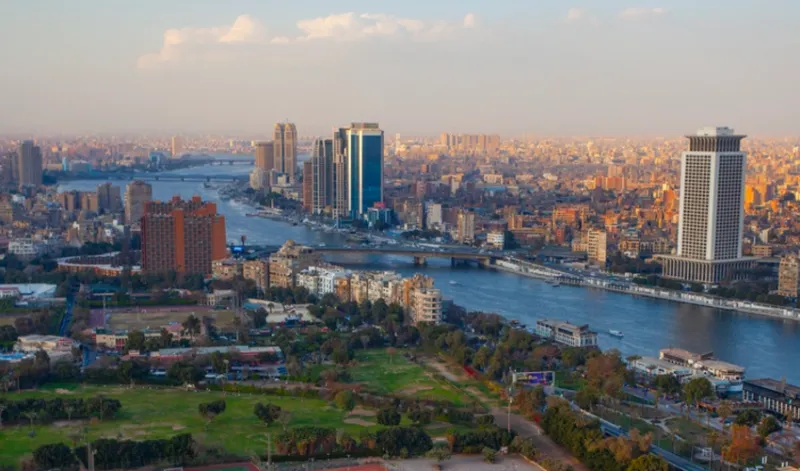
Cairo sits beside monuments more than 4,500 years old, and it also holds medieval mosques, early churches and working bazaars. That mix makes the city rewarding and hard to plan. This guide sorts the things to do in Cairo by area, so the pyramids, museums, mosques and markets fall into a sensible order. BookEgyptPackages wrote it for travelers planning a first visit, with notes on what works best with a guide.
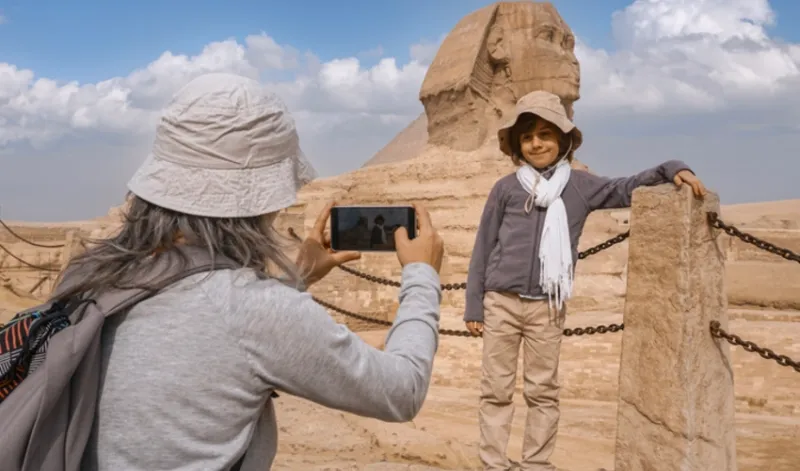
Few monuments need less introduction than the three pyramids on the edge of Cairo, yet most visitors arrive with only a rough idea of what they are looking at. The Egypt Giza Pyramids were built as royal tombs during the Old Kingdom, and they sit among temples, causeways and smaller pyramids that explain how the site worked. This guide from BookEgyptPackages covers who built what, what to see, what archaeologists have found and how to organize a visit.
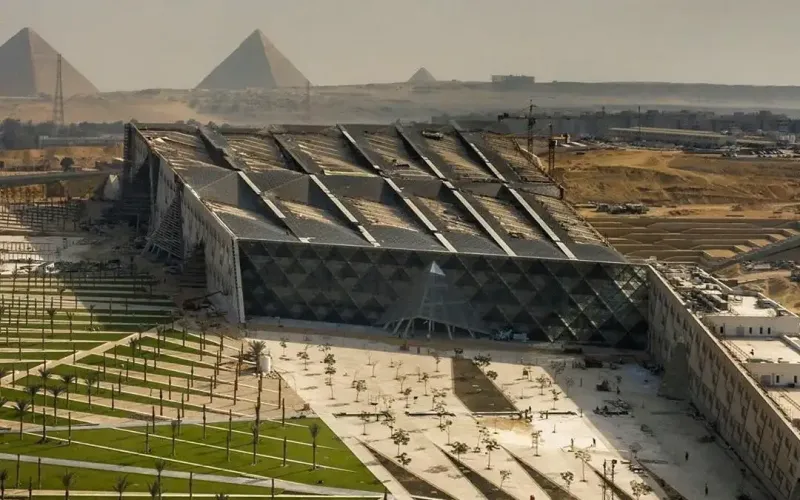
The museum at Giza was built to hold Egyptian antiquities in one purpose-designed home, within sight of the pyramids. This guide to the Grand Egyptian Museum explains where it is, what each space holds, how the collections are arranged and how to fit a visit into a Cairo itinerary. BookEgyptPackages wrote it for travelers who want to know what to expect before they arrive, and what to ask a guide to focus on.
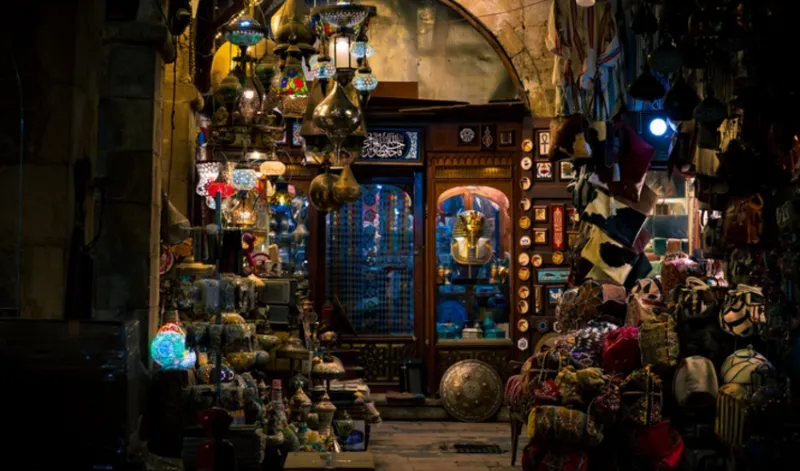
Discover Khan El Khalili in Islamic Cairo, explore Al Muizz Street, shop for traditional souvenirs, and experience the history and culture of old Cairo.


