
Email:
[email protected]


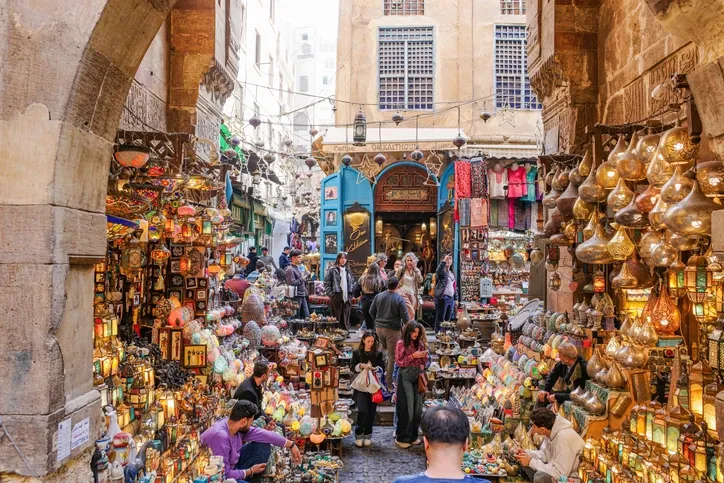
Cairo has a way of surprising visitors, especially when they wander beyond its famous pyramids and museums. In the heart of the old city, khan el khalili welcomes travelers into a maze of narrow streets filled with colorful lanterns, handmade jewelry, traditional cafés, and the sounds of everyday Egyptian life. It's the kind of place where you might stop to admire a shop window and suddenly realize you've spent half an hour chatting with a local merchant.
Surrounded by the remarkable architecture of islamic cairo, this historic bazaar offers much more than a shopping experience. Every corner tells a different story, from centuries-old trading traditions to the craftsmanship that continues in local workshops today. Whether you're visiting Cairo for the first time or returning to explore its quieter corners, the khan el khalili bazaar is a wonderful place to discover the city's character.
Why Is Khan El Khalili One of Cairo's Most Famous Attractions?
Few places capture Cairo's historic character quite like this famous bazaar, where traditional commerce continues among centuries-old streets and buildings.
What Is the History Behind Khan El Khalili?
The history of khan el khalili dates back to the late 14th century, during Egypt's Mamluk period.
The market takes its name from Emir Jaharkas al-Khalili, who established a commercial complex in the area around 1382. Over time, the surrounding district developed into an important center for merchants, craftsmen, and traders. During the Mamluk and Ottoman periods, Cairo was a significant commercial city connecting trade routes across North Africa, the Middle East, and beyond. Merchants brought textiles, spices, precious metals, and other valuable goods to its markets. As trade expanded, workshops and shops became established throughout the neighborhood, creating a lively commercial environment. Although the bazaar has changed considerably over the centuries, its winding streets and traditional shops still reflect that commercial heritage.
How Did the Bazaar Become an Important Trading Center?
Cairo's position along regional trade routes helped the market develop into a meeting place for merchants from different regions. The surrounding area contained commercial buildings, warehouses, workshops, and accommodation for visiting traders. Many businesses specialized in particular products, including metalwork, textiles, jewelry, and decorative objects. This tradition of specialized craftsmanship continues today. Visitors can still find artisans working with metal, producing engraved objects, and selling products that reflect Egyptian artistic traditions. While some shops cater mainly to tourists, others remain connected to the everyday commercial life of the neighborhood.
What Makes Its Architecture and Atmosphere Unique?
One of the most memorable aspects of khan el khalili is its architectural setting. The bazaar is surrounded by historic buildings, stone passageways, decorative doorways, and traditional shopfronts. Some streets open into small squares, while others lead through narrow passages filled with merchandise. The combination of architecture, commerce, and local activity gives the area a distinctive atmosphere. Look above the shop displays, and you may notice carved stone details, wooden balconies, and architectural features that reveal the neighborhood's long history. It's a reminder that the bazaar is part of a much larger historic urban landscape.
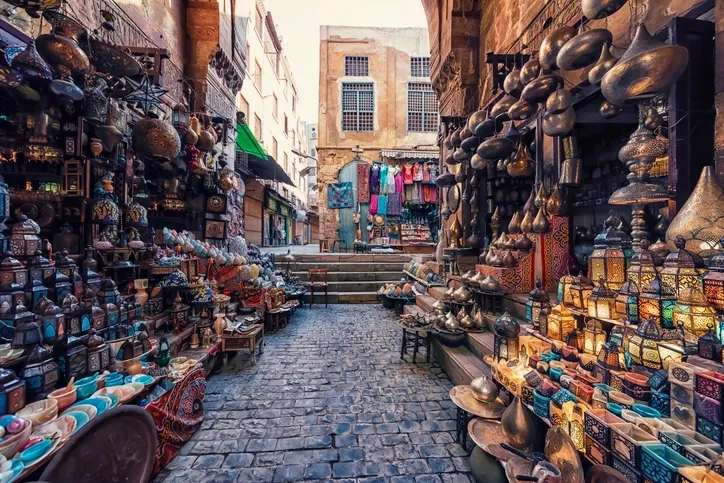
Shopping at the khan el khalili bazaar is an experience in itself, even if you don't plan to buy anything. The market is filled with traditional products, decorative objects, and colorful displays that reflect different aspects of Egyptian culture.
Which Traditional Egyptian Souvenirs Should You Look For?
Visitors looking for memorable souvenirs will find plenty of interesting options, including engraved brass trays, decorative lanterns, traditional jewelry, embroidered scarves, and small objects inspired by ancient Egyptian art. Some shops specialize in silver accessories, while others display colorful textiles, perfume oils, or handcrafted leather products.
It's worth taking time to examine the details rather than choosing the first item you see. A carefully made metal ornament or a piece of traditional jewelry can be a meaningful reminder of your visit. If you're interested in locally produced crafts, ask shopkeepers about the materials and where the products were made, since not everything sold in the market is handmade in Egypt.
Where Can You Find Handmade Crafts and Lanterns?
Colorful lanterns are among the most recognizable products in the market. Known in Egypt as fanous, these decorative pieces often feature patterned metal frames and colored glass panels. They are especially associated with Ramadan, although many shops display them throughout the year.
The khan el khalili market also contains shops selling engraved metalwork, jewelry, and other decorative crafts. In some areas, you may encounter artisans working with traditional materials or displaying products that require considerable skill to produce. Watching the craftsmanship and learning about the techniques can be just as interesting as purchasing a souvenir.
What Should You Know About Bargaining in the Bazaar?
Bargaining is common in many of the market's souvenir shops, and visitors shouldn't feel uncomfortable asking whether a price is negotiable. The important thing is to keep the conversation friendly and respectful. Asking questions about the product, comparing similar items, and taking your time can make shopping more enjoyable.
Not every shop follows the same approach, and some businesses use fixed prices. If you decide not to buy something, a polite thank-you is usually enough. Remember that the market is also a workplace for local merchants, so treating conversations as genuine exchanges rather than competitions creates a better experience for everyone.
What Are the Best Historical Attractions Near Khan El Khalili?
The surrounding neighborhood contains some of Cairo's most impressive historic landmarks. Exploring these attractions alongside the bazaar allows visitors to appreciate how trade, architecture, education, and everyday life developed together over the centuries.
Why Is Al Muizz Street Worth Exploring?
Al Muizz Street is one of the most remarkable historic streets in islamic cairo, with an extraordinary collection of medieval monuments. Walking along it feels like moving through different chapters of the city's history, as monumental gateways, ornate façades, and traditional buildings appear along the route.
Among its most notable landmarks is the Qalawun Complex, a major example of Mamluk architecture dating to the 13th century. The complex includes a mausoleum, madrasa, and historic hospital structures, reflecting the architectural ambitions of its period. Other impressive monuments include the Sultan Barquq Complex and several historic religious and educational buildings. Visitors interested in architecture will find plenty to admire, from intricate stone carvings to beautifully proportioned entrances.
What Makes Al Hussein Mosque an Important Landmark?
Al Hussein Mosque stands close to the bazaar and is one of Cairo's most significant religious landmarks. Named after Hussein ibn Ali, the grandson of the Prophet Muhammad, the mosque attracts worshippers and visitors throughout the year. Its surrounding square is also an important gathering place, where local residents meet, cafés welcome customers, and the neighborhood's daily activities unfold.
Even travelers who don't enter the mosque can appreciate the atmosphere around Al Hussein Square. The surrounding streets offer views of historic architecture and provide convenient access to nearby markets and cafés. Visitors should remember that the mosque is an active place of worship and respect local customs, including any dress requirements or restrictions on photography.
Which Other Historic Mosques Can You Explore?
Beyond the immediate bazaar area, Cairo offers an impressive collection of historic mosques that reveal the city's architectural diversity. Al Azhar Mosque, founded in the 10th century, is particularly important because of its long association with Islamic scholarship and education. Its courtyards and architectural features reflect centuries of additions and restoration.
Other notable landmarks include the Mosque of Ibn Tulun, famous for its spacious courtyard and distinctive minaret, and the Sultan Hassan Mosque, one of the finest examples of monumental Mamluk architecture. The Mosque of Muhammad Ali, located inside the Citadel of Saladin, offers another perspective on Cairo's architectural history. These attractions are spread across the wider historic city, so it's best to plan additional time if you want to explore them properly.
What Is It Like to Experience Khan El Khalili After Sunset?
Evening brings a different atmosphere to the historic market. As shop lights illuminate the streets and visitors gather around traditional cafés, the neighborhood becomes a wonderful place to enjoy Cairo's social life.
How Does the Bazaar Change in the Evening?
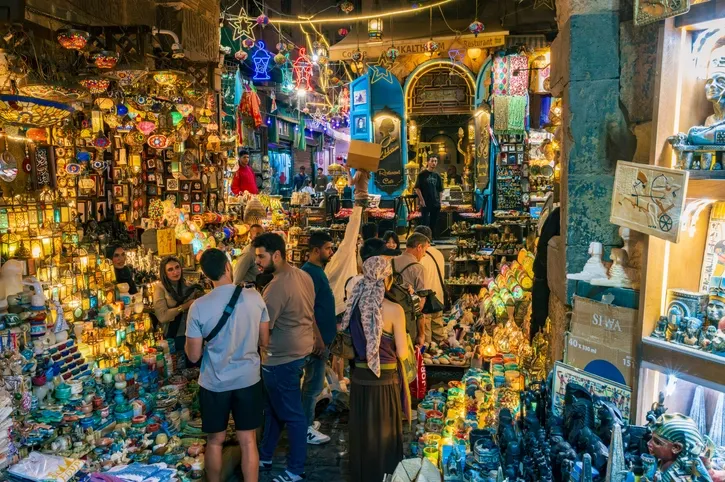
Visiting khan el khalili after sunset reveals a different side of the market. Decorative lanterns glow above shop entrances, narrow streets become illuminated by colorful displays, and the sound of conversations fills the surrounding passages. Many visitors enjoy wandering through the market at this time, particularly when the streets around Al Hussein Square are lively.
The evening atmosphere can vary depending on the day and the individual shops that remain open. Some streets are busy with shoppers, while others offer quieter opportunities to admire the architecture. For photography enthusiasts, the combination of historic buildings and warm shop lighting creates particularly memorable scenes.
Which Traditional Cafés Are Worth Visiting?
A visit to the neighborhood wouldn't feel complete without spending some time at a traditional café. El Fishawy Café is one of the area's best-known establishments, recognized for its historic atmosphere, decorative mirrors, and long association with Cairo's social life. Sitting here with a glass of Egyptian tea offers a chance to observe the movement of people through the surrounding streets.
Another famous establishment is the Naguib Mahfouz Café and Restaurant, named after the Egyptian Nobel Prize-winning writer. Its traditional décor and location within the market make it a popular stop for visitors exploring the neighborhood. Both places can become busy, but that's part of the experience. For a quieter break, smaller cafés around the historic streets may offer a more relaxed setting.
What Local Foods and Drinks Can You Try?
The market and its surrounding streets offer opportunities to experience familiar Egyptian flavors. Traditional tea is a popular choice, often served in small glasses, while Turkish-style coffee appeals to visitors who enjoy a stronger drink. Depending on the café, you may also find hibiscus drinks, fresh juices, and traditional sweets.
If you're looking for a meal, nearby restaurants may serve Egyptian favorites such as koshari, falafel, grilled meats, and other local dishes. Food is an enjoyable part of exploring Cairo, but the experience is also about taking time to observe the neighborhood. A short café break can become one of the most memorable moments of the day.
How Can You Plan the Perfect Visit to Khan El Khalili?
A little preparation can make exploring the historic market more comfortable, particularly for first-time visitors who want to combine shopping with sightseeing.
Where Is Khan El Khalili Located and How Can You Reach It?
khan el khalili is located in the El Gamaliya district of historic Cairo, close to Al Hussein Square and Al Azhar Mosque. Visitors can reach the surrounding area by taxi or ride-hailing services, although some of the narrow streets are pedestrian-oriented, so a short walk from the drop-off point may be necessary.
The market is often included in sightseeing itineraries that explore Cairo's historic districts. If you're staying in central Cairo, it's possible to combine the visit with nearby attractions, although travel times depend on traffic and your starting location. Allowing enough time to explore without rushing makes the experience far more enjoyable.
What Should First-Time Visitors Know?
Comfortable walking shoes are useful because the historic streets include uneven surfaces and busy pedestrian areas. Carrying a small bag, keeping valuables secure, and remaining aware of your surroundings are sensible precautions, especially when the market becomes crowded.
Visitors should also remember that the bazaar doesn't operate according to one universal schedule. Individual shops and cafés have their own opening hours, and religious holidays or special occasions may affect activity in the neighborhood. If you're planning to visit nearby mosques, respectful clothing is recommended, and you should follow any instructions provided at the entrance.
One enjoyable route begins around Al Azhar Mosque and Al Hussein Square before continuing into the bazaar. After exploring the shops, visitors can walk toward Al Muizz Street to discover its remarkable collection of medieval buildings. Depending on the time available, the route can include selected monuments, a traditional café, and opportunities for photography.
Travelers interested in discovering more of Cairo can plan separate visits to the Citadel, Sultan Hassan Mosque, or the Mosque of Ibn Tulun. Coptic Cairo, the Egyptian Museum, and the Pyramids of Giza are also worthwhile additions to a broader itinerary, although they are located in different parts of the city. Exploring these destinations over several days provides a richer understanding of Egypt's history and cultural heritage.
Why Should Khan El Khalili Be Part of Your Cairo Journey?
There's a reason travelers remember khan el khalili long after leaving Cairo. It's not simply the colorful shops or historic buildings, but the combination of everyday life, craftsmanship, and centuries of history that makes the neighborhood special.
Exploring the bazaar and the surrounding streets of islamic cairo offers a different perspective on Egypt's capital. Here, history isn't confined to monuments and museums. It continues through traditional businesses, local conversations, and the daily routines of people who live and work in the area.
Whether you're searching for a handmade souvenir, admiring medieval architecture, or enjoying Egyptian coffee at a traditional café, this historic neighborhood offers an experience that feels distinctly Cairene.
Frequently Asked Questions
Khan El Khalili is in the El Gamaliya district of historic Cairo, near Al Hussein Mosque and Al Azhar Mosque.
It is famous for its traditional bazaar, Egyptian handicrafts, colorful lanterns, jewelry, historic streets, and cafés.
Visitors can buy brass lanterns, jewelry, scarves, engraved metalwork, perfume oils, and traditional Egyptian souvenirs.
Yes. Its illuminated shops, lively cafés, and historic surroundings make the evening an enjoyable time to explore.
Nearby landmarks include Al Hussein Mosque, Al Azhar Mosque, Al Muizz Street, and several important Mamluk-era monuments.
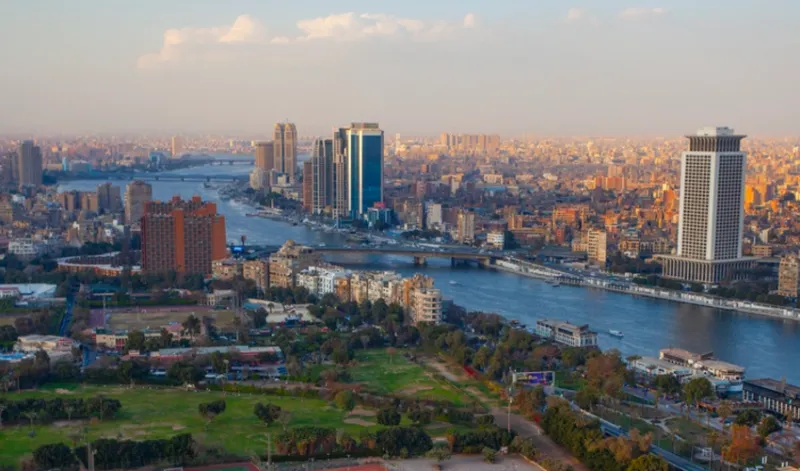
Cairo sits beside monuments more than 4,500 years old, and it also holds medieval mosques, early churches and working bazaars. That mix makes the city rewarding and hard to plan. This guide sorts the things to do in Cairo by area, so the pyramids, museums, mosques and markets fall into a sensible order. BookEgyptPackages wrote it for travelers planning a first visit, with notes on what works best with a guide.
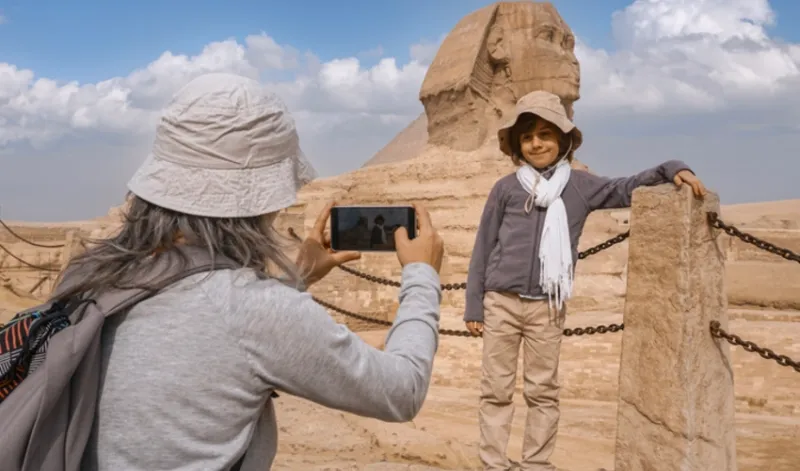
Few monuments need less introduction than the three pyramids on the edge of Cairo, yet most visitors arrive with only a rough idea of what they are looking at. The Egypt Giza Pyramids were built as royal tombs during the Old Kingdom, and they sit among temples, causeways and smaller pyramids that explain how the site worked. This guide from BookEgyptPackages covers who built what, what to see, what archaeologists have found and how to organize a visit.
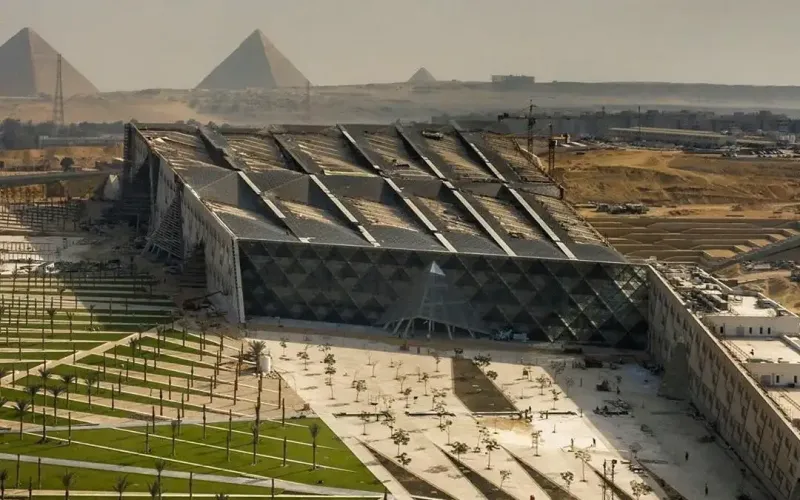
The museum at Giza was built to hold Egyptian antiquities in one purpose-designed home, within sight of the pyramids. This guide to the Grand Egyptian Museum explains where it is, what each space holds, how the collections are arranged and how to fit a visit into a Cairo itinerary. BookEgyptPackages wrote it for travelers who want to know what to expect before they arrive, and what to ask a guide to focus on.
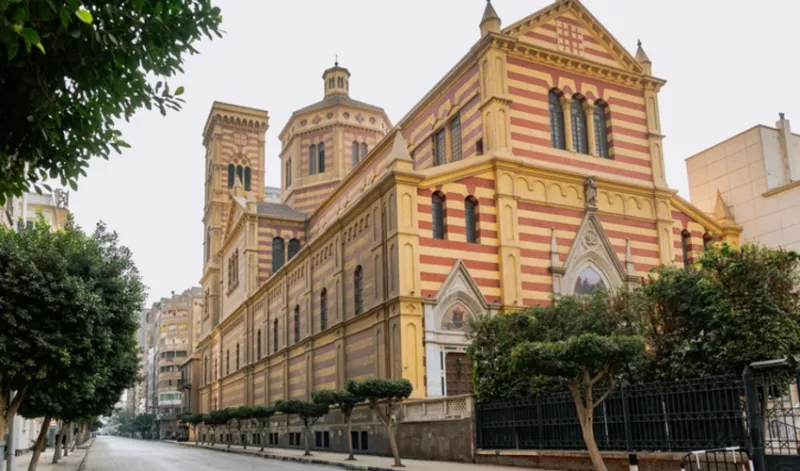
Discover Coptic Cairo and its historic treasures, from the Hanging Church and ancient monasteries to Babylon Fortress and the fascinating Coptic Museum.


