
Email:
[email protected]


Egypt Giza Pyramids guide covering Khufu, Khafre and Menkaure, the Great Sphinx, the history of the plateau, recent discoveries and practical advice for planning a visit.
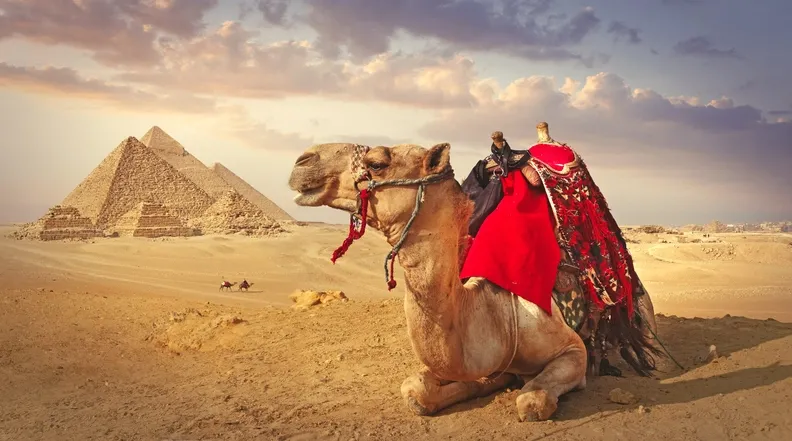
The three main pyramids were built as burial monuments for kings of the Fourth Dynasty, during the Old Kingdom, roughly 4,500 years ago. Each king’s complex had a pyramid, a temple beside it and a causeway leading down toward the Nile valley. Seen as a group, the plateau was a royal cemetery rather than three isolated landmarks.
The Great Pyramid belongs to Khufu, the largest of the three and the last surviving wonder of the ancient world. The second belongs to his son Khafre, and the third, the smallest, to Menkaure. Smaller satellite pyramids beside them were built for queens and family members.
Archaeological evidence points to organized, paid labor rather than slave gangs. A workers’ town was found south of the plateau, with bakeries, sleeping quarters and tombs for builders. A papyrus diary kept by an official named Merer, found at the Red Sea coast, records the shipment of limestone to Giza for Khufu’s pyramid.
Khufu’s pyramid was about 146 meters tall when finished. Khafre’s looks taller from the ground because it stands on higher bedrock and keeps part of its original limestone casing near the top. Menkaure’s is far smaller, and it has a rougher lower section with granite casing that was never completed.
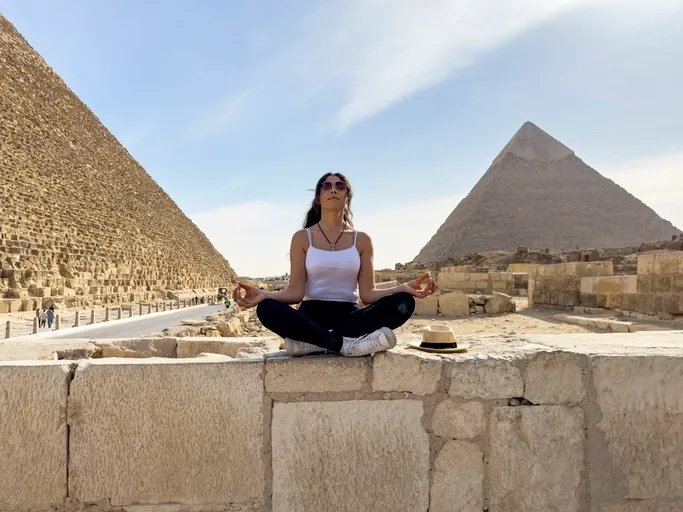
The Giza Plateau holds far more than three pyramids. A visit usually combines the main monuments with the Sphinx, the temples at its base and a panoramic viewpoint on the desert side. Plan around two to three hours on site.
Millions of limestone blocks were cut, hauled and laid to build it, and for centuries it was the tallest structure made by people. Standing at its base shows the scale of the stone courses better than any photograph. Interior access is limited and may need a separate ticket, so check what is open on the day.
Khafre’s pyramid keeps a band of its smooth casing around the apex, which gives a hint of how all three once looked. A causeway links its mortuary temple to the Valley Temple near the Sphinx. Walking that route helps the layout make sense.
Three small queens’ pyramids stand beside Menkaure’s, and several more cluster near Khufu’s. They are easy to miss in a rush, and a guide will point them out. Menkaure’s pyramid also marks the quieter southern end of the plateau.
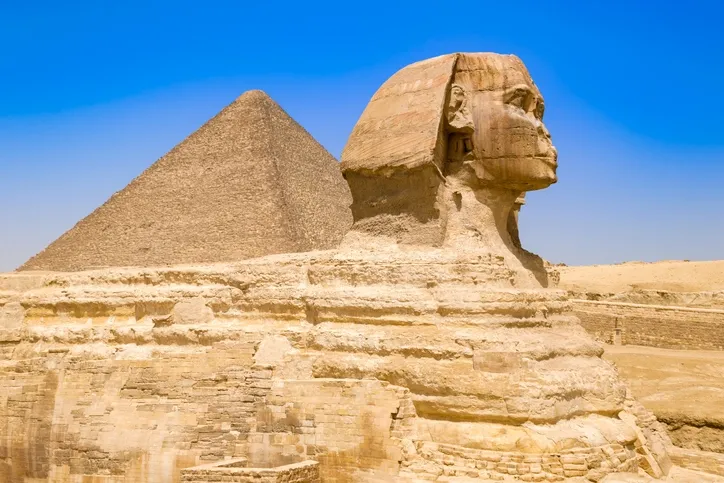
The Great Sphinx is a figure with a lion’s body and a human head, cut from a single limestone ridge. It measures about 73 meters long and 20 meters high, and it is generally linked to Khafre’s complex. Some of the stone used for nearby temples came from the quarry around it.
Most Egyptologists date it to Khafre’s reign in the Fourth Dynasty, which places it at about the same age as the pyramids. Erosion and repairs over the centuries have changed its surface, and conservation work continues around its base.
The Valley Temple stands close to the Sphinx and belongs to Khafre’s complex. It is built of massive limestone and granite blocks and served as the point where funeral rites began before the king’s body went up the causeway. It is quieter than the pyramids and rewards a slow look.
Visitors can walk to a terrace in front of it and photograph it from several angles. The nearest viewpoints are close, but the enclosure itself is protected. Morning light tends to work best for photographs.
Want a guide who can explain each monument as you walk? Book Now with BookEgyptPackages for a private Giza tour.
Excavation around the plateau has continued for more than a century, and several finds have altered the standard story. These are the ones most worth knowing before you go.
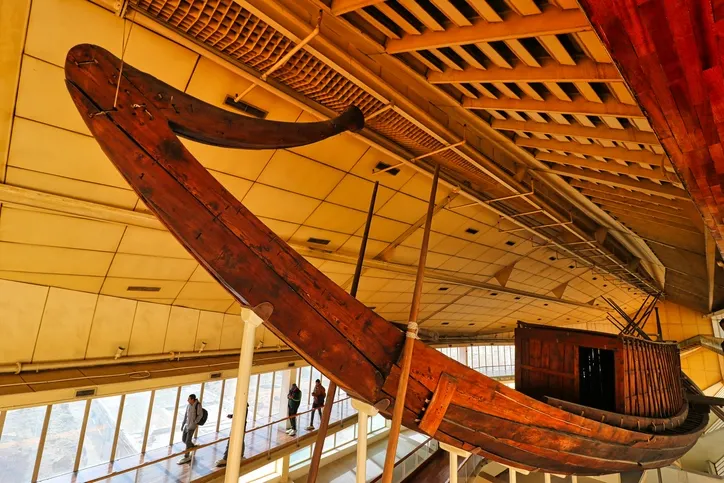
In 1954, a sealed pit beside Khufu’s pyramid was opened, and inside was a dismantled cedar boat, one of the best preserved wooden vessels of its age. It has since been moved to the Grand Egyptian Museum complex beside the plateau. It shows that royal burials included ritual boats.
The settlement south of the plateau included housing, bakeries and tombs near Khafre’s and Menkaure’s complexes. The tombs show that builders received proper burials, which supports the picture of an organized workforce. This is one reason modern guides no longer speak of slaves.
In 2023, researchers using muon imaging detected a hidden corridor behind the chevrons above the entrance on the north face of the Great Pyramid. Its purpose is still debated. The find is a reminder that the Egypt Giza Pyramids still have unanswered questions.
A little planning makes the visit smoother. The site is large and open, and most time is spent outdoors.
Early morning is generally quieter, with softer light and easier walking. Late afternoon is the second-best choice. Midday can be busy with tour groups, and there is little shade on the Giza Plateau, so a hat and water matter.
Interior access to the pyramids is limited and may require a separate ticket, and which chambers are open changes. The entry passages are narrow and low, so they suit visitors comfortable in tight spaces. Ask your guide what is open on your day.
Camel rides are offered around the plateau, and a viewpoint on the desert side gives all three pyramids in one frame. Agree on the terms of any ride before you start. Many travelers prefer to take the viewpoint photographs on foot and skip the ride.
How Do the Pyramids Fit with Other Cairo Sites?
The plateau is a half-day at least, and it pairs well with the Grand Egyptian Museum, which sits about 2 kilometers away. Saqqara and Memphis make a good follow-up, since they show where pyramid building began with the Step Pyramid of Djoser. An optional sound and light show runs in the evening for those who want a second visit after dark.
BookEgyptPackages combines Giza with the museum and a Nile cruise in several itineraries. Whatever length of trip you choose, the Egypt Giza Pyramids work best as the opening chapter, because the rest of the Pharaonic story builds from them.
Three Fourth Dynasty kings built them as royal tombs: Khufu, his son Khafre and Menkaure. Evidence points to an organized, paid workforce.
Plan two to three hours for the pyramids, the Sphinx and the Valley Temple, plus extra time if you add the museum or Saqqara.
Sometimes. Interior access is limited, may need a separate ticket and varies by day, so ask your guide.
Early morning is usually the quietest, with softer light and easier walking.
Yes. The museum is about 2 kilometers from the pyramid complex, and the two are commonly visited on the same day.
Plan your pyramid day with BookEgyptPackages, and Book Now to reserve a private guide.
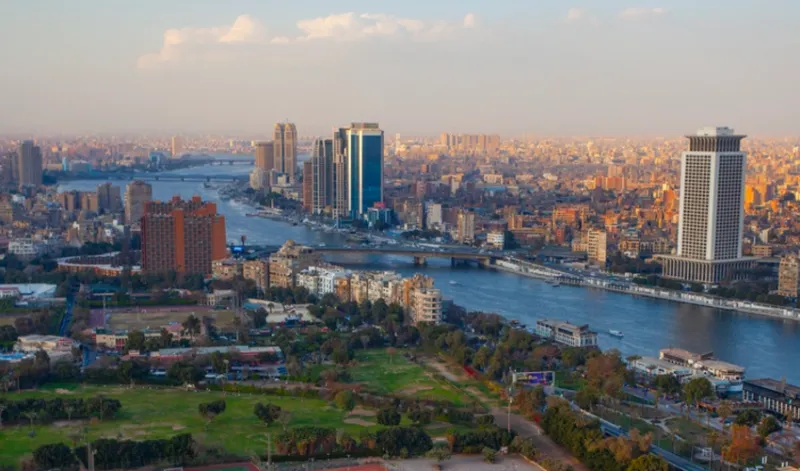
Cairo sits beside monuments more than 4,500 years old, and it also holds medieval mosques, early churches and working bazaars. That mix makes the city rewarding and hard to plan. This guide sorts the things to do in Cairo by area, so the pyramids, museums, mosques and markets fall into a sensible order. BookEgyptPackages wrote it for travelers planning a first visit, with notes on what works best with a guide.
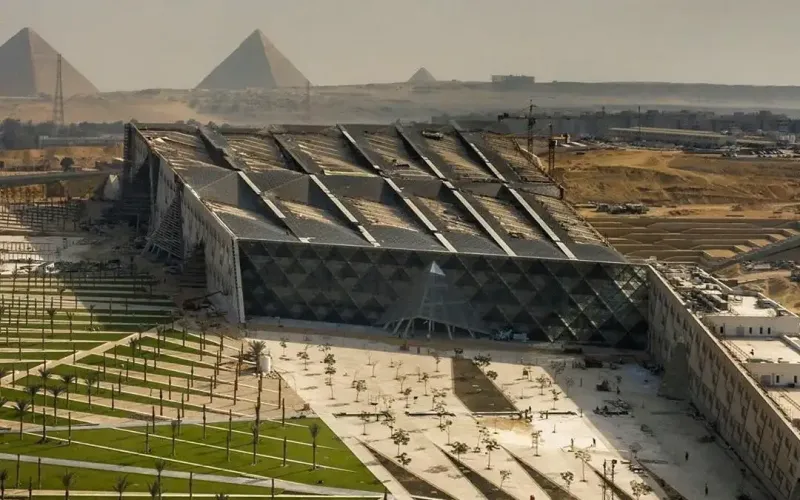
The museum at Giza was built to hold Egyptian antiquities in one purpose-designed home, within sight of the pyramids. This guide to the Grand Egyptian Museum explains where it is, what each space holds, how the collections are arranged and how to fit a visit into a Cairo itinerary. BookEgyptPackages wrote it for travelers who want to know what to expect before they arrive, and what to ask a guide to focus on.
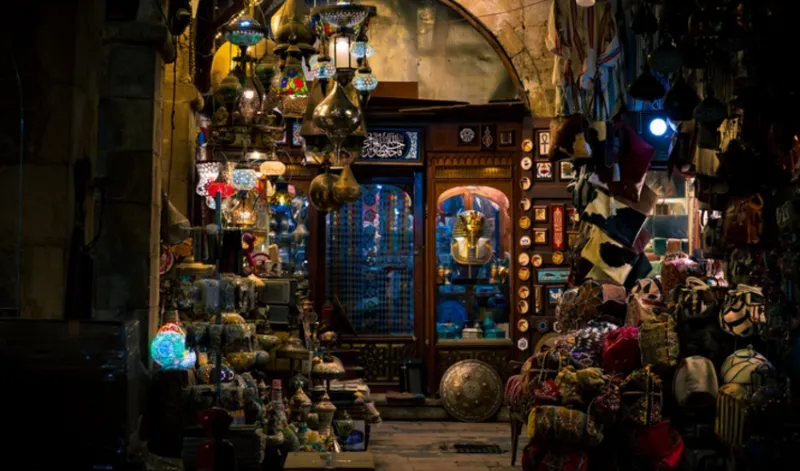
Discover Khan El Khalili in Islamic Cairo, explore Al Muizz Street, shop for traditional souvenirs, and experience the history and culture of old Cairo.
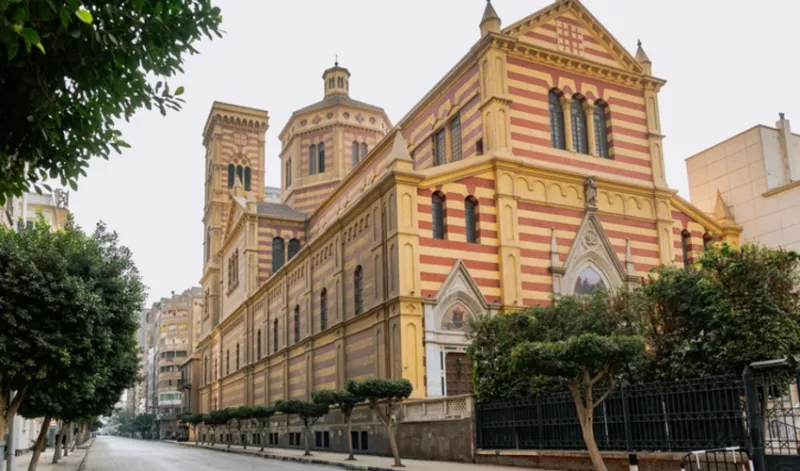
Discover Coptic Cairo and its historic treasures, from the Hanging Church and ancient monasteries to Babylon Fortress and the fascinating Coptic Museum.


